What Is Unitism?
The name points to a simple recognition: we are not separate from one another, or from the earth we share. An economy is not a machine standing apart from life: it is how a community provides for itself, and the economy works best when it honors how interconnected we are.
Almost everything we call wealth is created in cooperation and in competition with others; never truly alone. The gifts of nature are the clearest case: no one made land, yet a location gains value entirely from the people, roads, schools, and enterprise around it, not from anything the owner did. It is wealth that no individual actually earns by themselves.
Unitism is straightforward: you profit from your own enterprise, and let the value that the surrounding community creates flow back to that community. What you build and earn stays yours; only the part no one produced themselves is shared. When effort is rewarded and unearned gains no longer inflate the cost of everything, both the individual and the community flourish. True prosperity has always come this way — not from extraction, but from cooperation, fair competition, and stewardship of what we share.
Three Sources of Wealth
The classical economists recognized three distinct sources of wealth: labor, capital, and land. Modern economics often blurs land into capital — and in doing so, hides the unique role nature plays in our prosperity. Unitism restores this distinction. We call it tri-factor economics.
Labor
Human effort, skill, and ingenuity. What you earn from your work is yours.
Capital
Tools, machines, and buildings — things people create to produce more. What you build is yours.
Nature
Everything nature provides: land, water, minerals, forests, the air itself. No one made it. And unlike labor and capital, its market value is created not by its owner, but by the community around it.
The Key Insight: Economic Rent
When a location becomes more valuable — because a road is paved, a school opens, a neighborhood grows — the landowner gains wealth without lifting a finger. Economists call this gain economic rent: income that comes from owning a desirable location, not from work or investment.
Economic rent is value created by everyone, flowing to a few.
Because this value is created by everyone, it should benefit everyone. When communities collect economic rent for public purposes, they can fund services, lower taxes on work and enterprise, reduce inequality, and build economies that are both fair and strong.
Key Concepts
Tri-Factor Economics
Classical economics recognized three sources of wealth: land (nature), labor, and capital. Modern economics often blurs land into capital, hiding nature’s unique role. Restoring the distinction is the first step toward a fair economy.
Economic Rent
Income that comes from owning a desirable location or natural resource — not from work or investment. It is created by the community and by nature, which is why it should benefit the community rather than a few.
Land Value Taxation
A public charge on the value of land itself, not on the buildings or improvements on it. It rewards people for using land well, makes speculation unprofitable, and returns community-created value to the community.
Community Land Trusts
A model where people own their homes while the community owns the land beneath them. Families get secure, affordable housing; the community keeps land from being captured by speculation.
When Communities Share Land Value…
🏘️ Affordable Housing
When land can’t be hoarded for speculation, homes cost closer to what they cost to build.
📉 Less Inequality
Land and housing wealth has driven much of the modern rise in wealth concentration.1 Sharing it stops the widening gap at its source.
💰 Reliable Public Revenue
Land cannot hide, move offshore, or be smuggled out. It is the most honest source of public revenue there is.
📈 A Stable Economy
Most financial crises begin with land speculation.2 Sharing land value removes the fuel.
🌳 Nature Protected
When using land has a fair price, no one wastes it — and what isn’t needed stays wild.
🤝 Stronger Communities
When everyone shares in growth, growth unites people instead of dividing them.
Standing on Strong Shoulders
These ideas are not new. Indigenous peoples have long held that land belongs to no one: people hold a right of use of land — never ownership, a concept foreign to most indigenous cultures. And some of history’s greatest economists understood the unique role of land in creating — and concentrating — wealth.
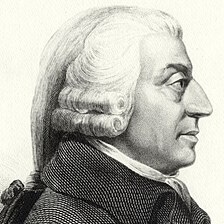
Adam Smith (1723–1790)
The author of The Wealth of Nations observed that the rent of land rises with the prosperity of society — landowners gain as everyone else works.
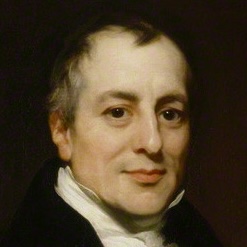
David Ricardo (1772–1823)
Ricardo’s law of rent showed how landowners capture more and more value as population and commerce grow, without contributing to production themselves.
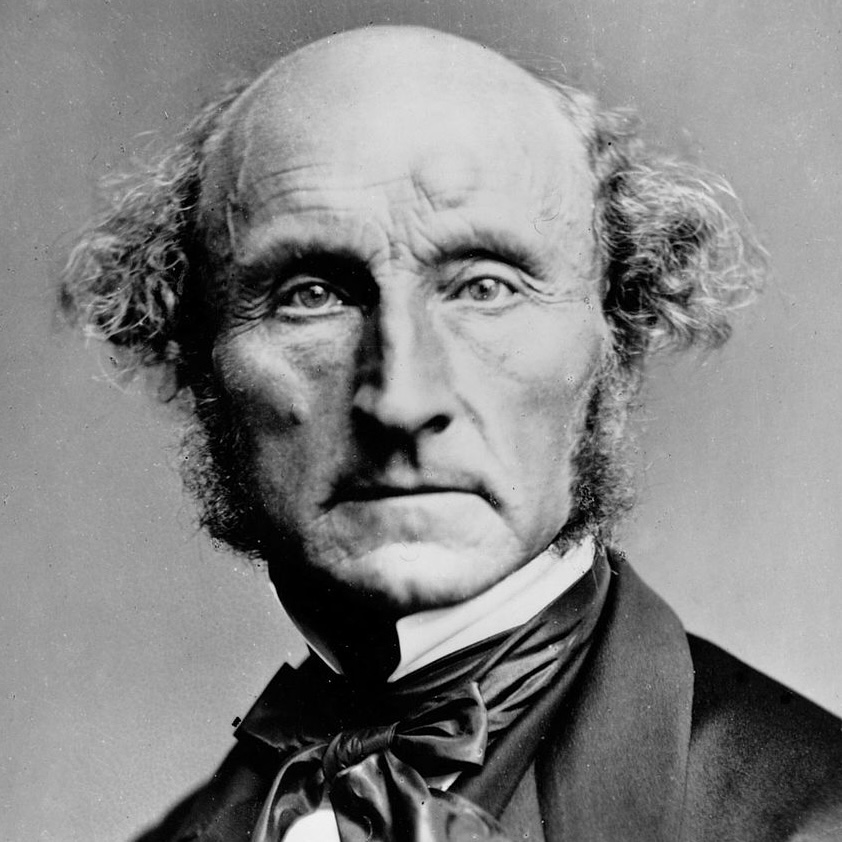
John Stuart Mill (1806–1873)
Mill argued that the “unearned increment” — the rise in land value created by society — rightly belongs to society, and proposed taxing it.
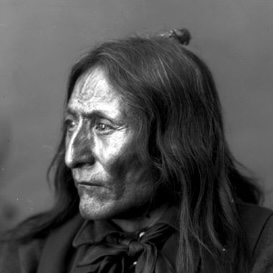
Chief Crowfoot (c. 1830–1890)
The chief of the Siksika First Nation expressed this wisdom long before modern economics: “As long as the sun shines and the waters flow, this land will be here to give life to men and animals. We cannot sell the lives of men and animals. The land was put here by the Great Spirit and we cannot sell it because it does not belong to us.”
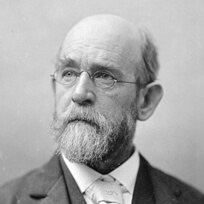
Henry George (1839–1897)
In Progress and Poverty, George showed how sharing land value could lift people out of poverty and create broad prosperity without punishing work or enterprise.

Mason Gaffney, Ph.D. (1923–2020)
Gaffney championed land as the soundest base for public revenue, because it can be neither hidden nor moved: “However high the tax rate, not one square foot of it will put on a track shoe and hop out of town.”
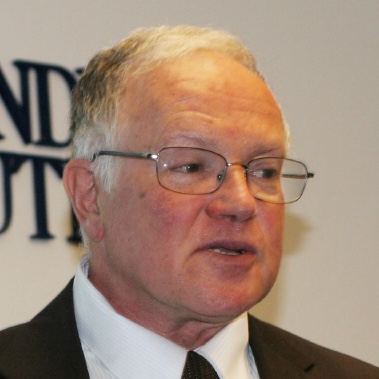
Fred Foldvary, Ph.D. (1946–2021)
Studying the 18-year land cycle, Foldvary predicted the 2008 financial crisis more than a decade in advance. Writing in 1997, he forecast that “the next major bust, 18 years after the 1990 downturn, will be around 2008.”1
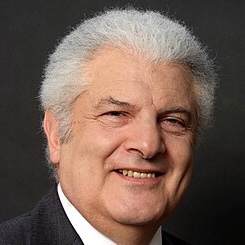
Fred Harrison (b. 1944)
Harrison traced the recurring boom-and-bust cycle to land speculation: “Property is the key factor that shapes the business cycle, not the other way around.”
The Book
Unitism was founded by Martin Adams, author of Land: A New Paradigm for a Thriving World. His work translates these timeless economic insights into practical frameworks that governments and organizations can put into action today.
Read the BookGo deeper